Online survival course
Survival Skillset
A demanding online survival course: read land, sky, water and animals, make fire, move safely through dangerous ground, signal and be found, and make the calls that matter when there is no good option.
- 12 modules
- 157 lessons
- 111 hours of study
- 983 exam questions
- 1 final practical
Learn at your own pace
Work through it alone, in your own time. No live sessions, no leaderboards, and nothing is shared unless you choose to share it.
Original price was: £149.00.£99.00Current price is: £99.00.
Places on the full course open soon. Module 1 is free to try now.
Already enrolled? Log in
How it works
Not a breeze. Built to make it stick.
- 1
Learn it properly
Deep lessons with the reasons behind every technique, the mistakes people really make, and the law.
- 2
See it in 3D
Explainers you can turn and test: tyre tracks, contours, rivers, clouds, the sun and stars.
- 3
Go out on real ground
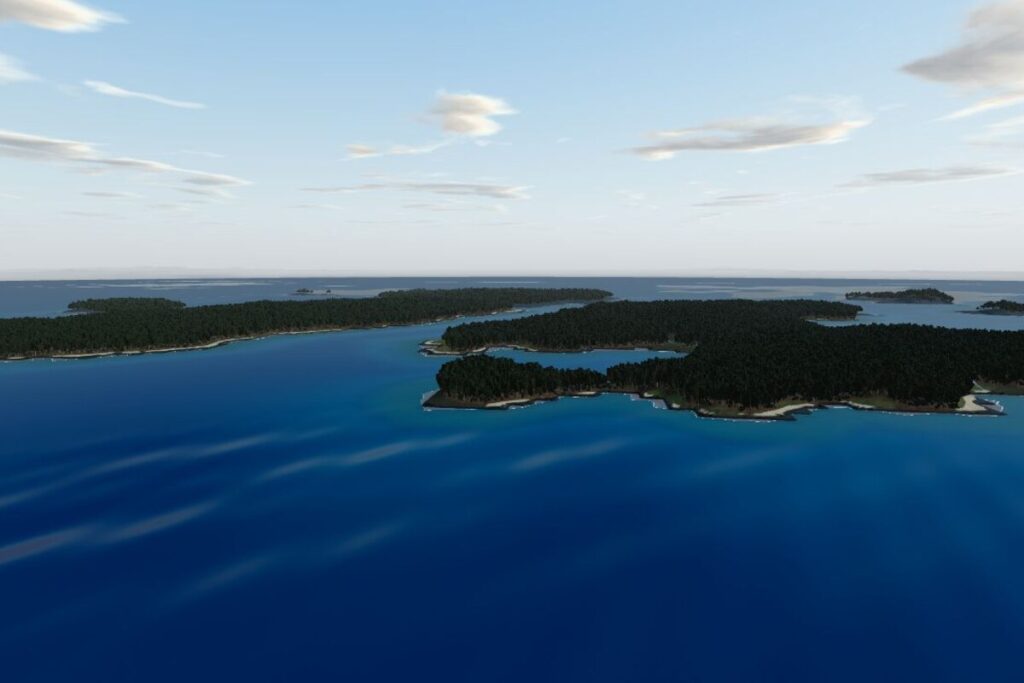
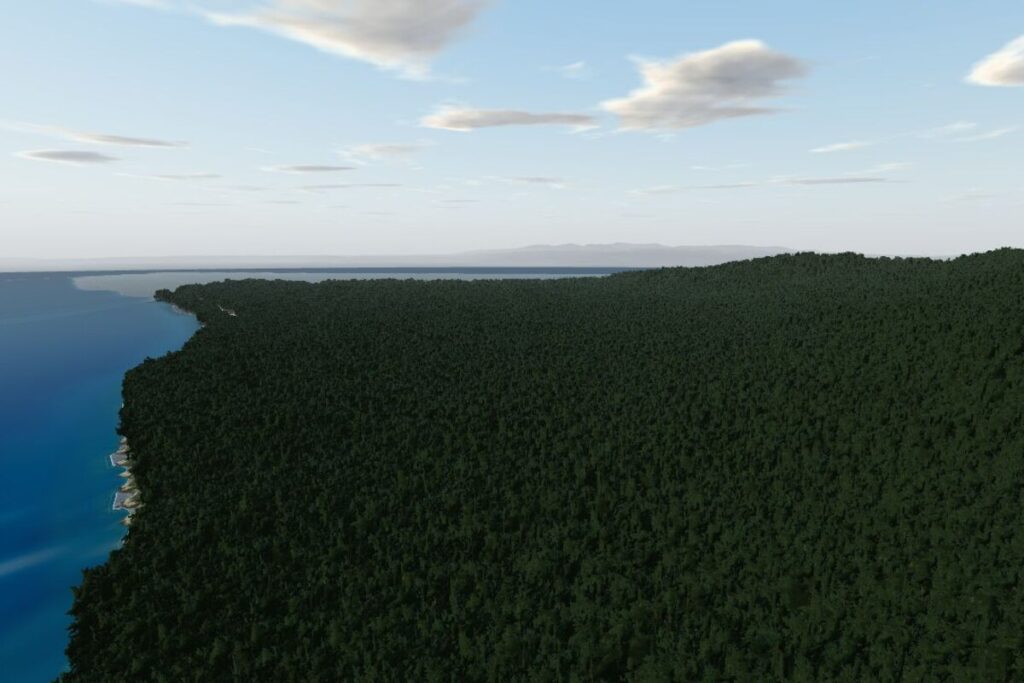
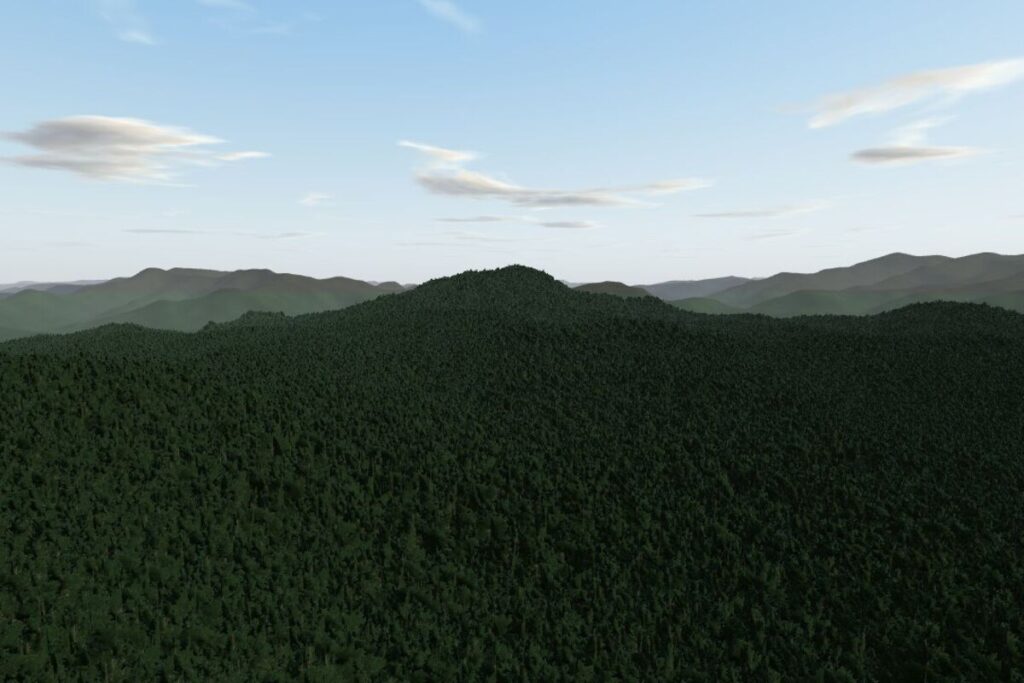
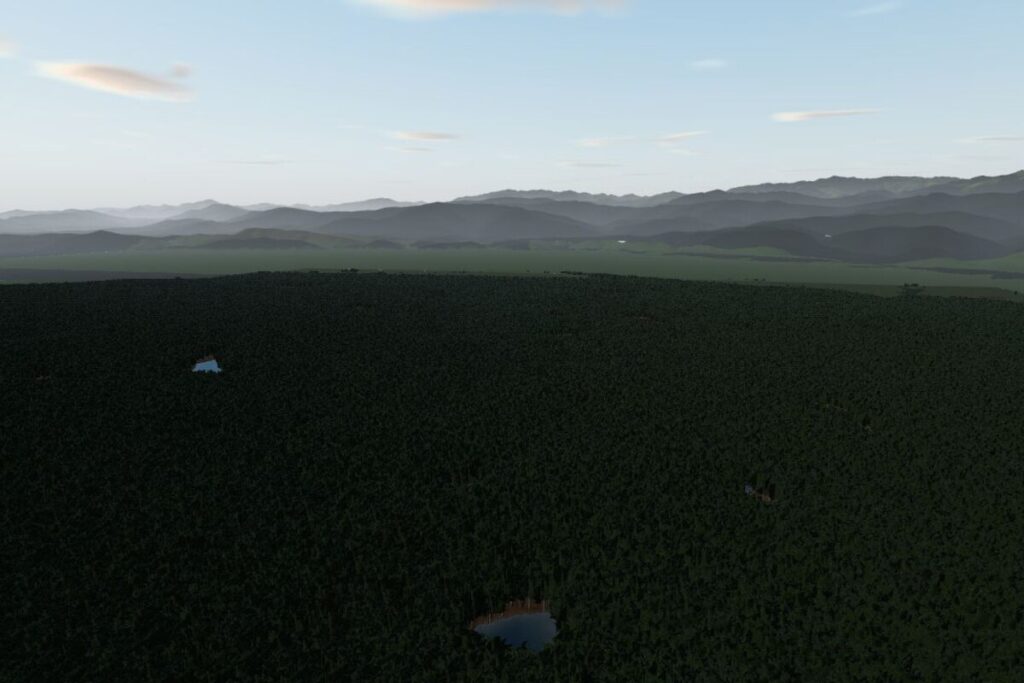
Field events on real landscapes built from survey data, on screen or in a phone VR viewer.
- 4
Make the hard calls
Judgement calls with no easy answer, marked on your reasoning, with the thinking explained.
- 5
Prove it
An exam for every module, then a long unguided day on real terrain for the certificate.
The course
12 modules, from the first hour to the final test
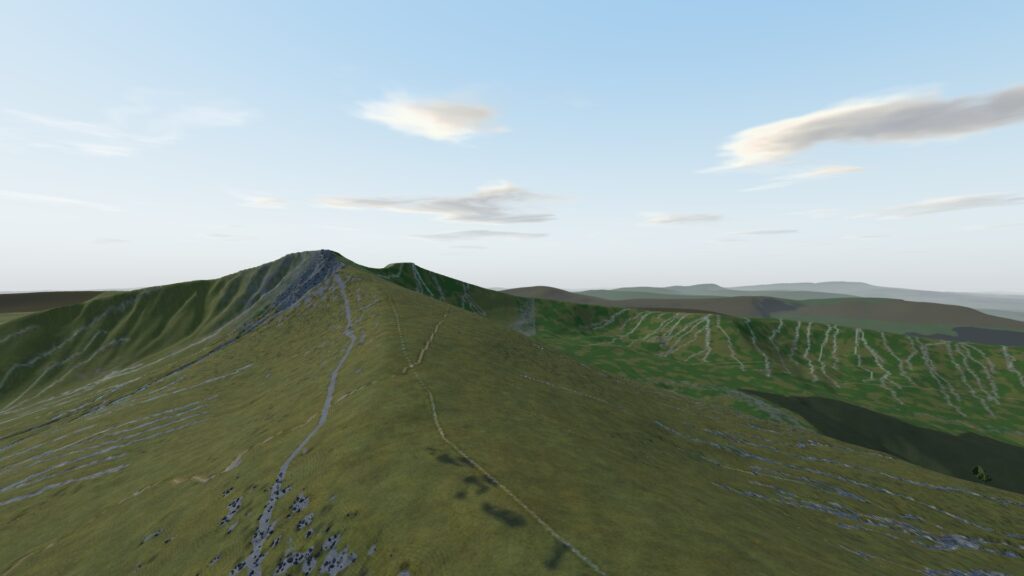 Free tasterTake a bearingTry the course for free: learn how a compass works, then take real bearings from the summit of Corn Du on the real Pen y Fan.
 01Mindset, priorities and judgementHow stress, fear and fatigue bend decisions, what to deal with first, and how to weigh risks you cannot undo.
 02Natural navigation and direction findingDirection from the sun, moon, stars, plants, weather and the marks people leave, and improvised compasses.
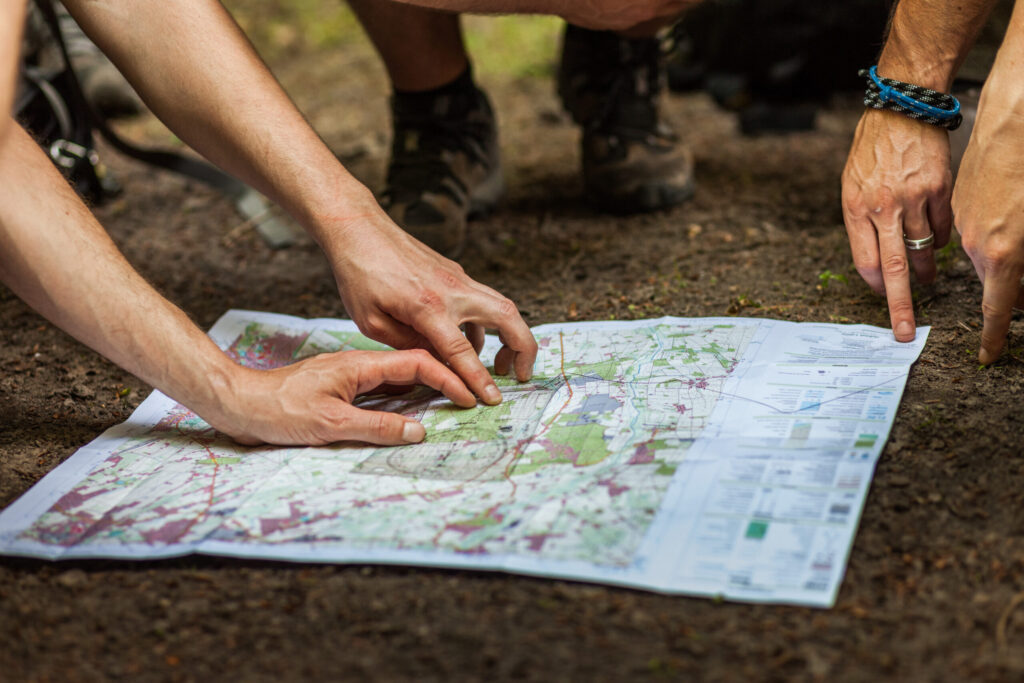 03Map and compassReading the map, bearings, navigation technique, pacing and timing, relocation, and using phones and GPS well.
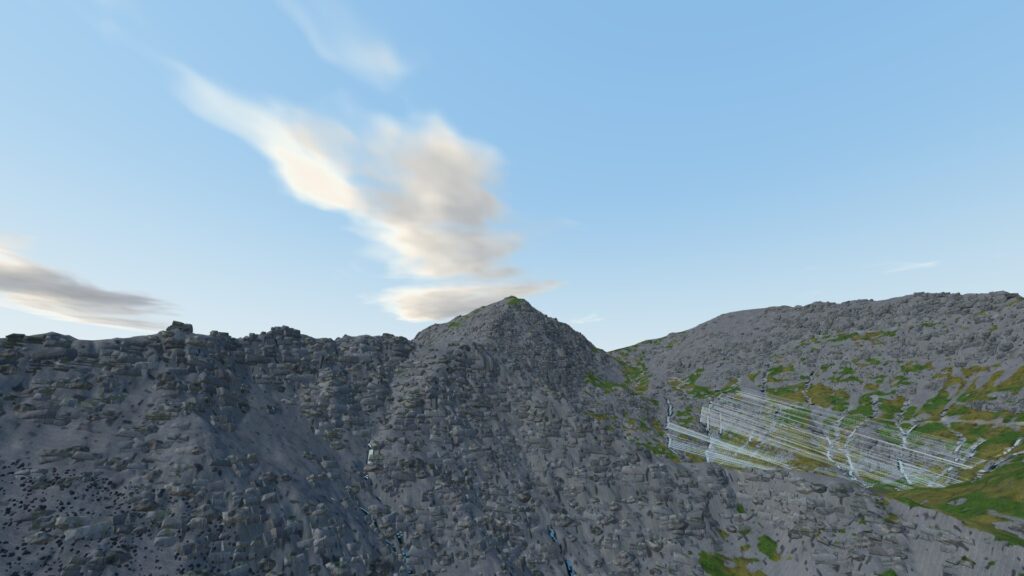 04Mountain safety and terrain dangersWeather and sky, dangerous ground, rivers and the sea, other climates, and making yourself easy to rescue.
 05WaterWhat your body needs, finding water, judging a source, making it safe and collecting it.
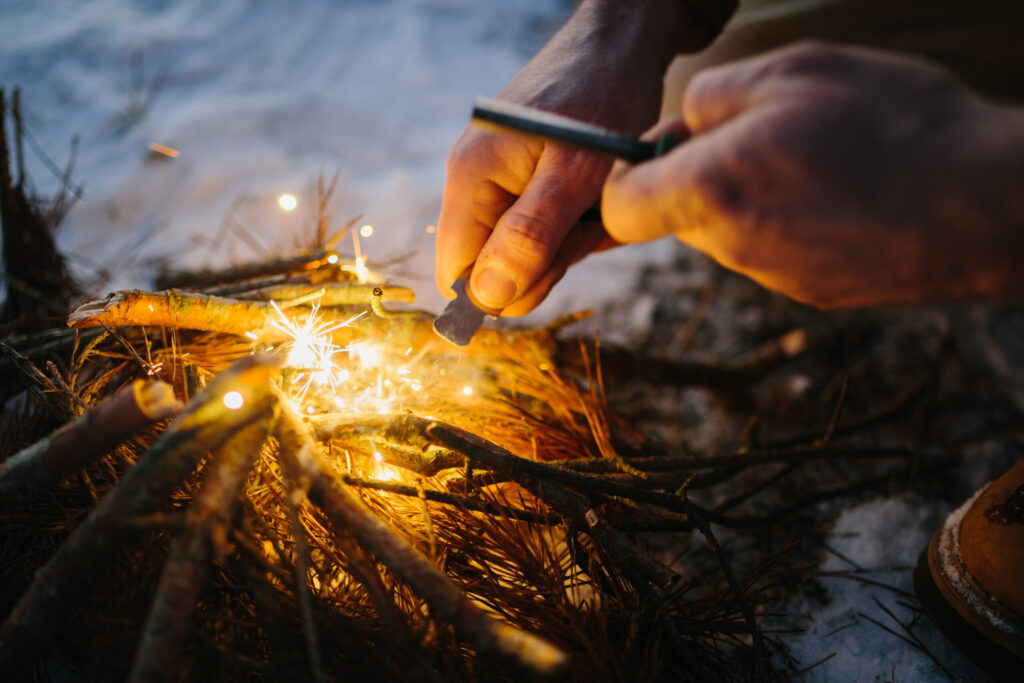 06FireFuel, tinder, fire lays and ignition, managing a fire, and fire safety and the law.
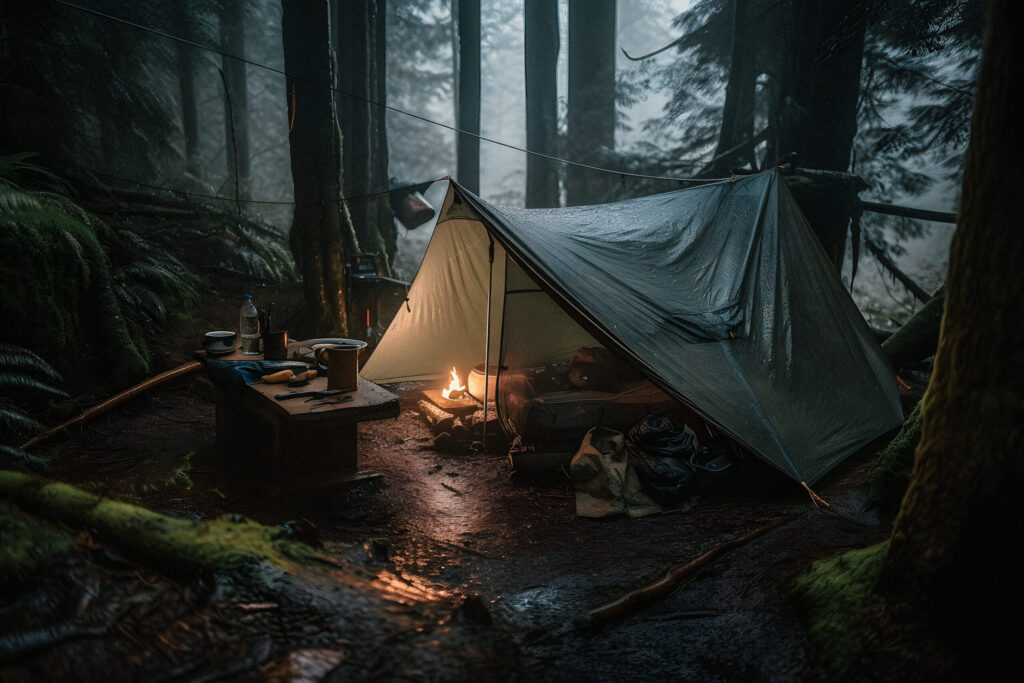 07Shelter and resource gatheringChoosing a site, staying warm and dry, and what the land gives you for cordage, containers and tools.
 08Food: plants, fungi, fish and trappingSafe foraging and the deadly look-alikes, where fish lie and how to catch them, and the law on trapping.
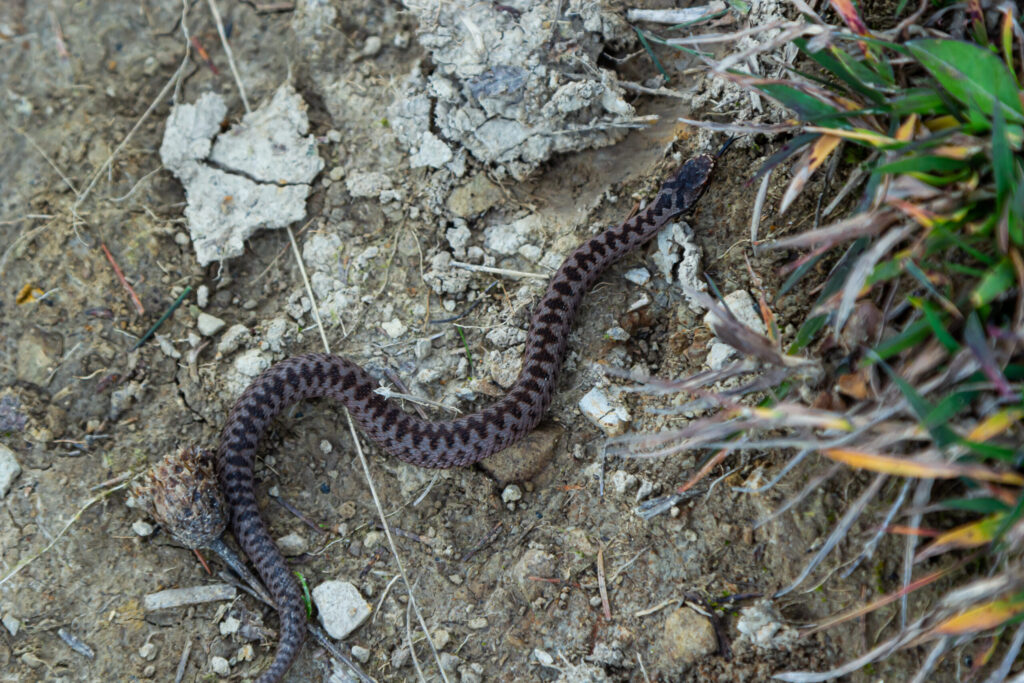 09Fauna: spotting, tracking and safetyTracks and sign, what animal behaviour tells you, and the animals that can hurt you, region by region.
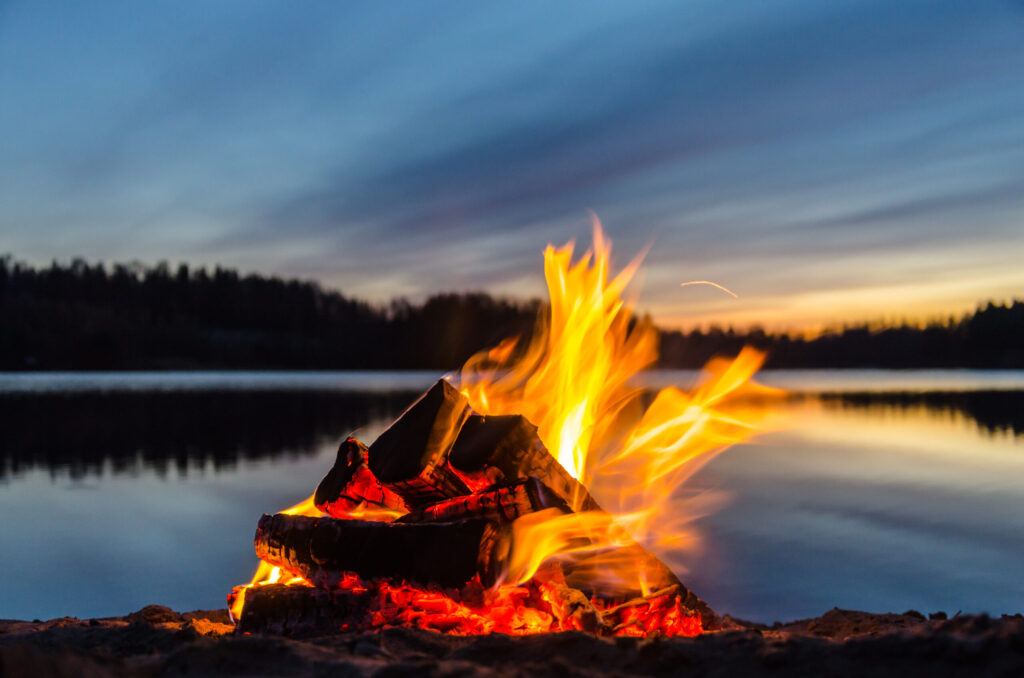 10Signals: making them and understanding themBeing findable, signals by fire, ground, sound, light and mirror, phones and beacons, rescue and warnings.
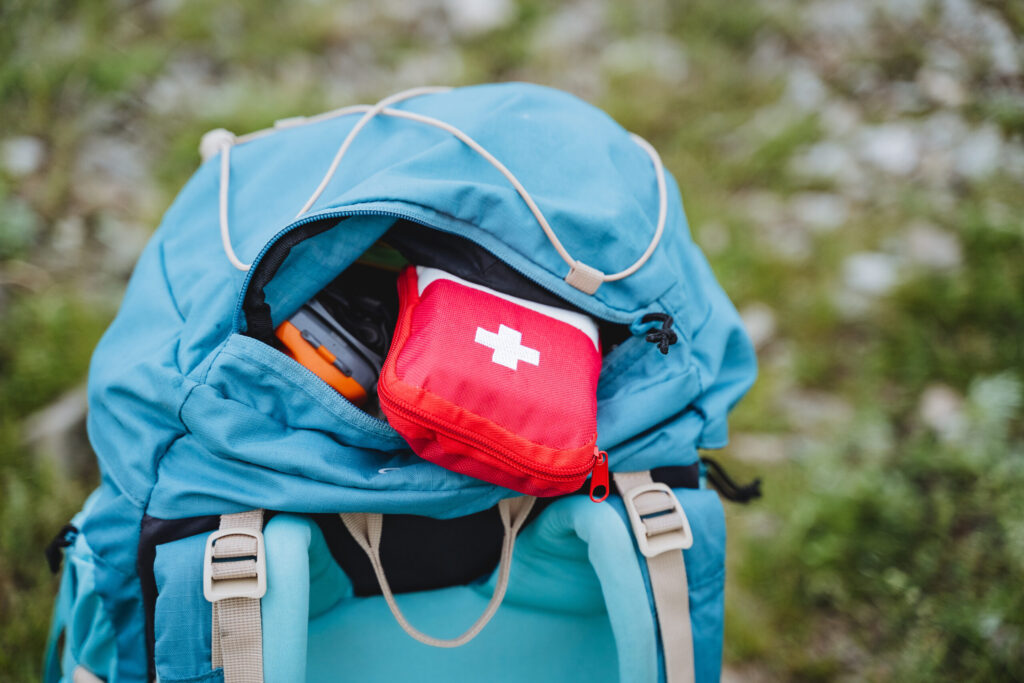 11First aid and recovery in the wildAssessment, bleeding, bones, cold, heat, bites and medical emergencies when help is hours away.
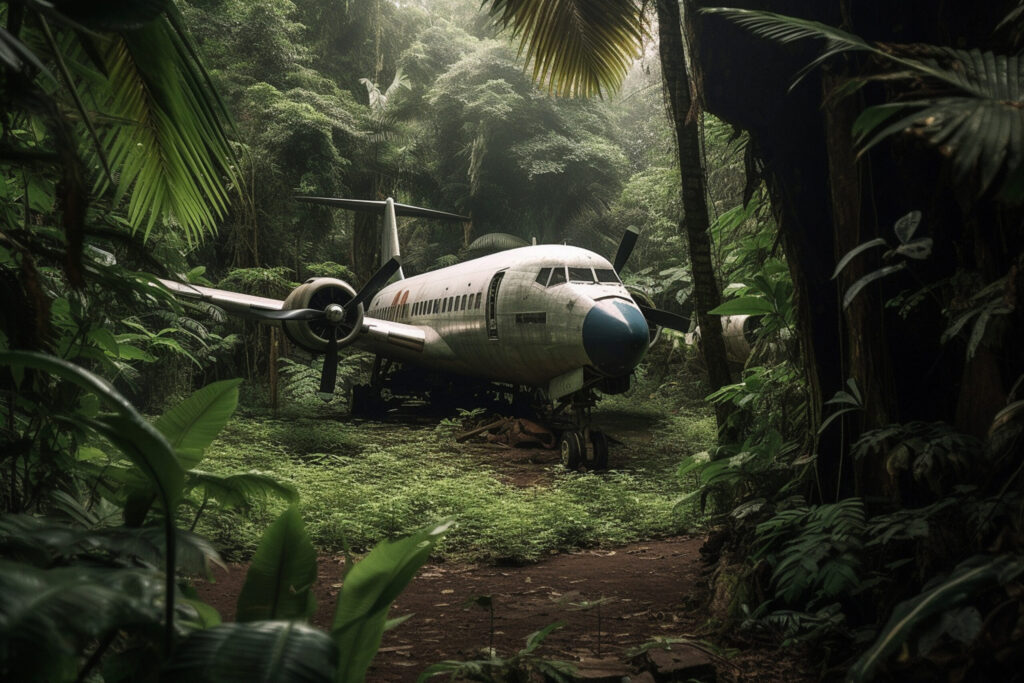 12Real survival storiesReal incidents around the world: what happened, the decisions made, and what we can learn.
Train on real ground
Real places, built from survey data
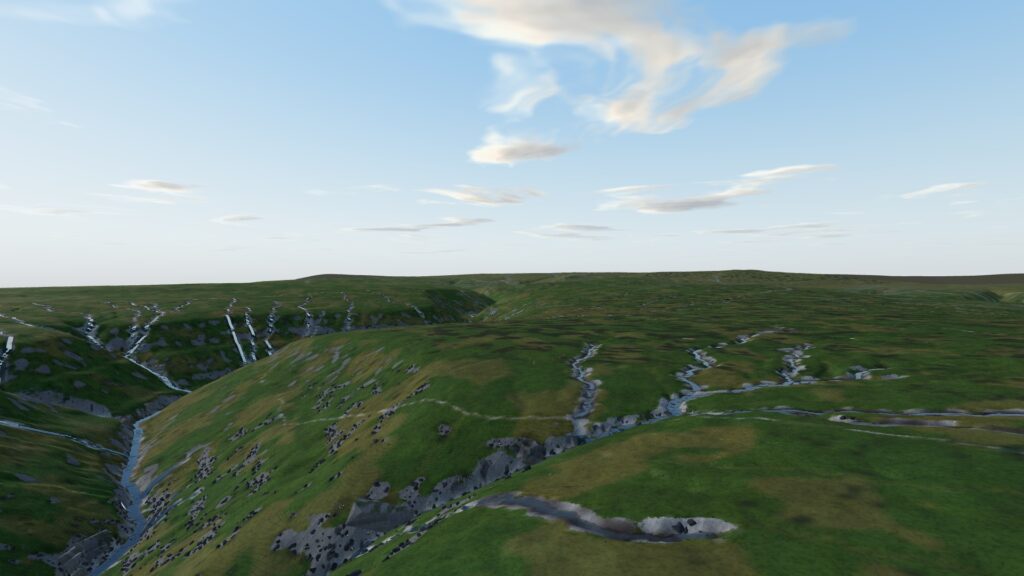
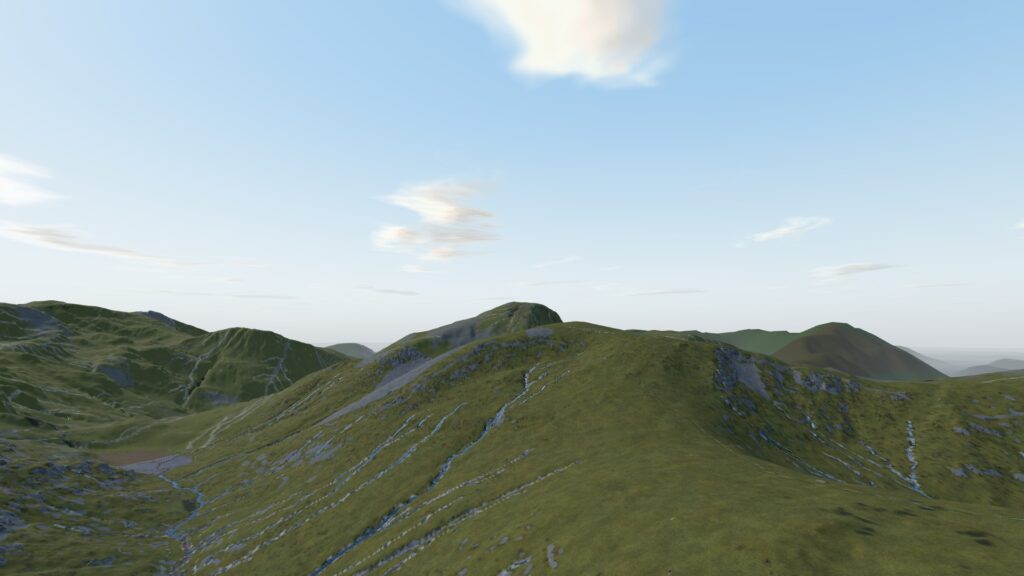
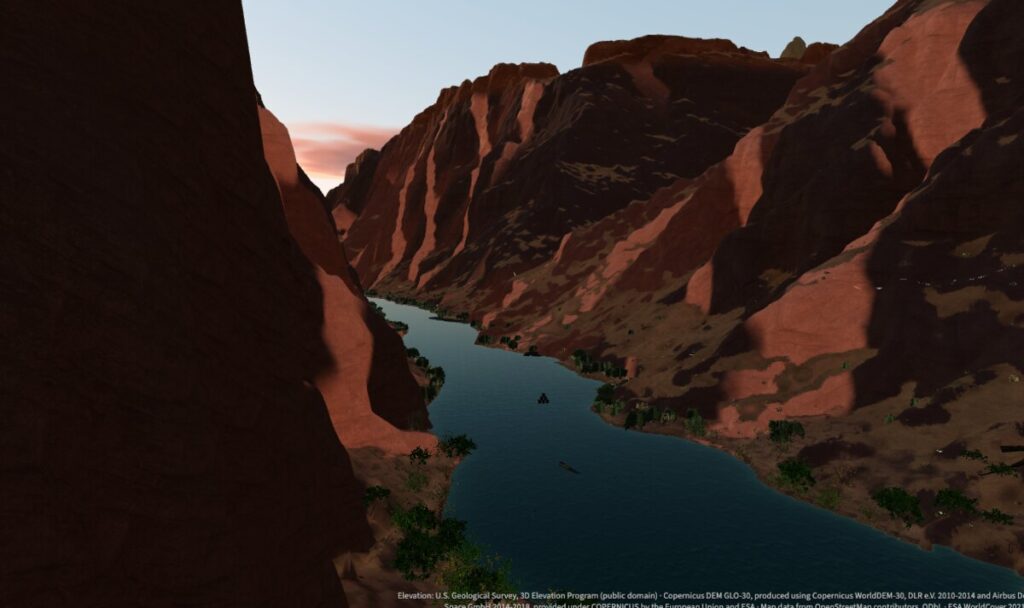
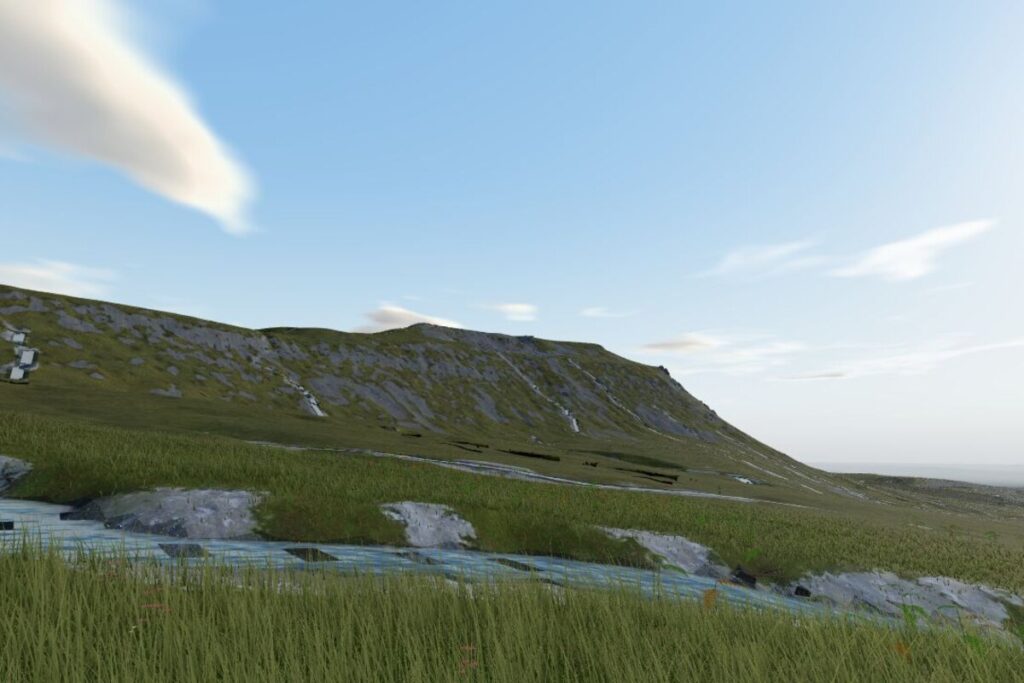
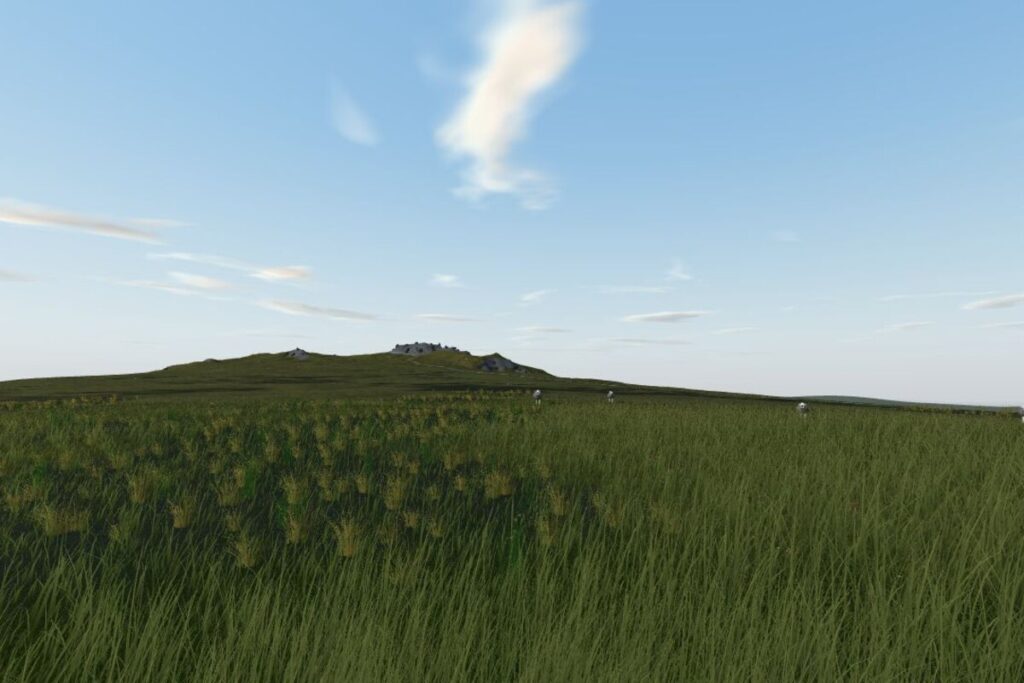
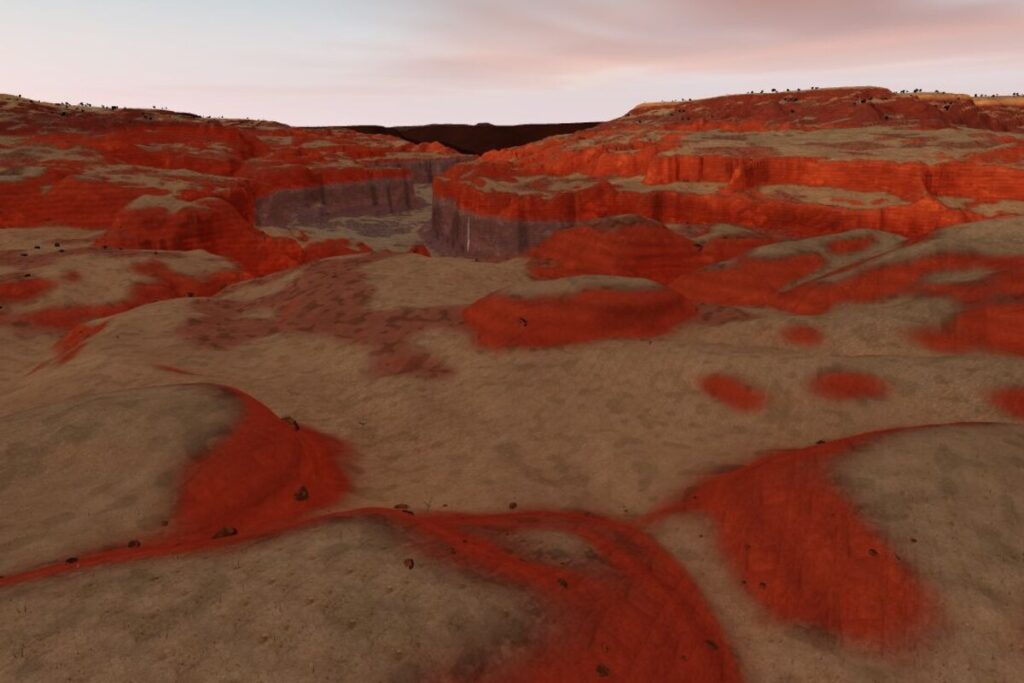
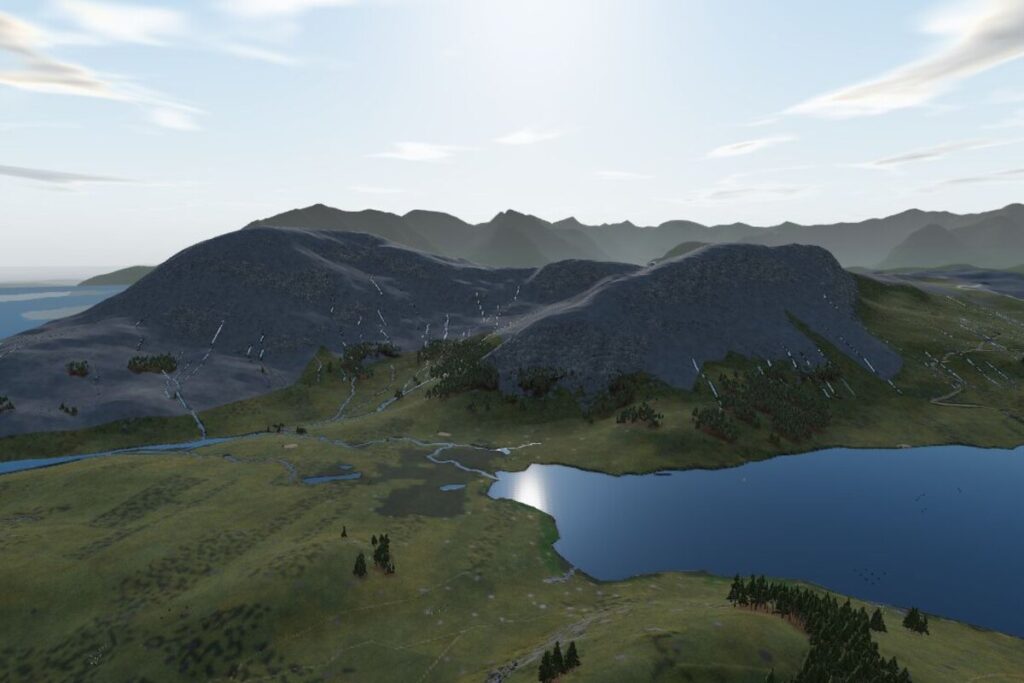
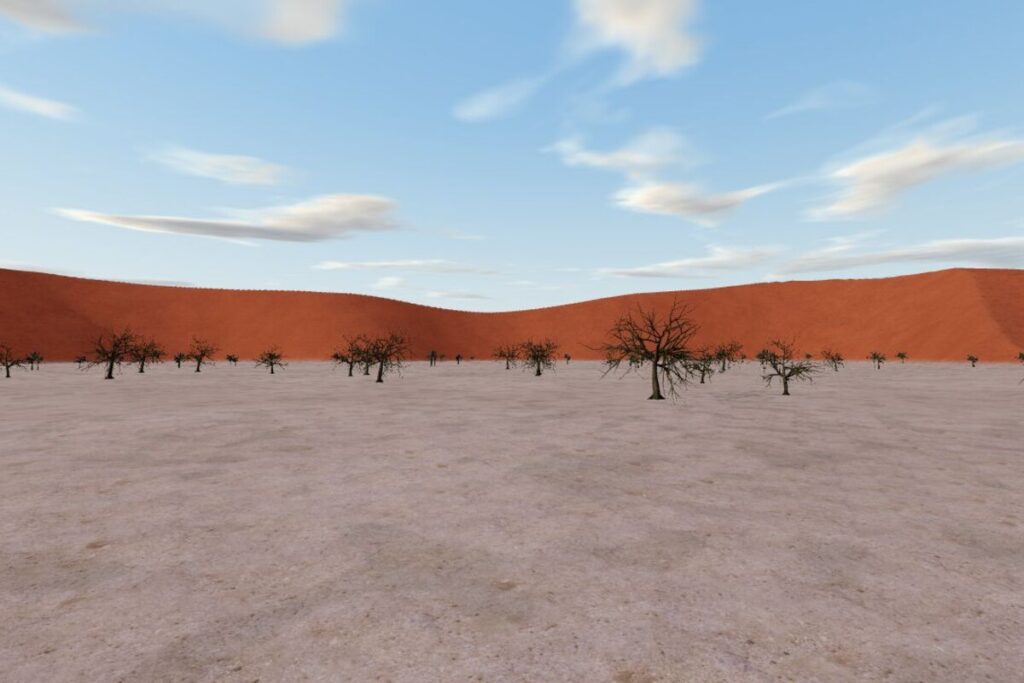
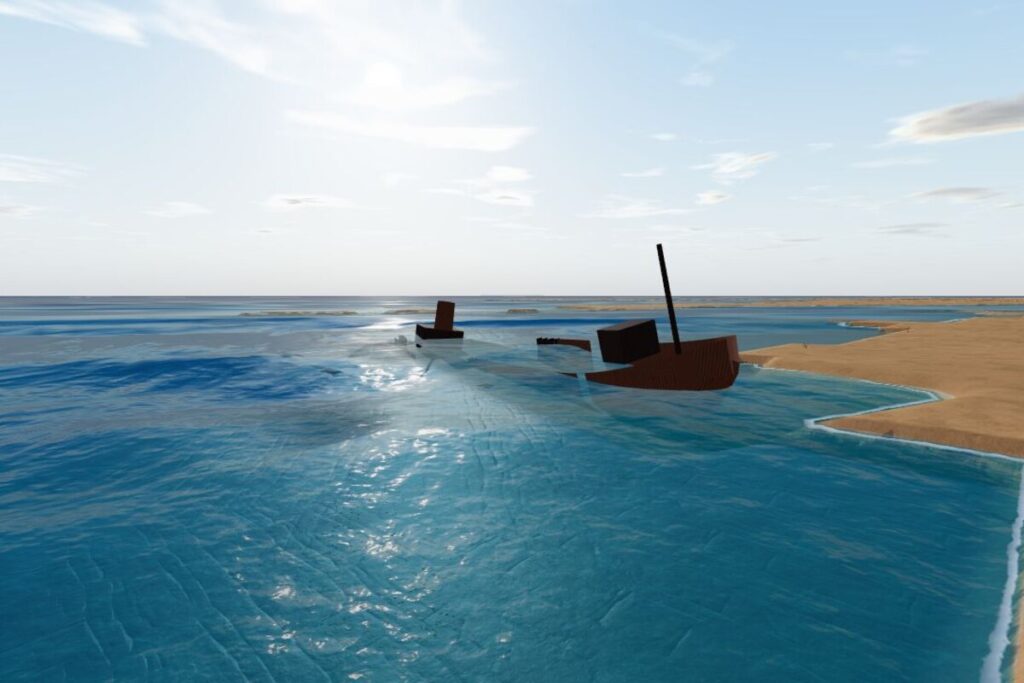
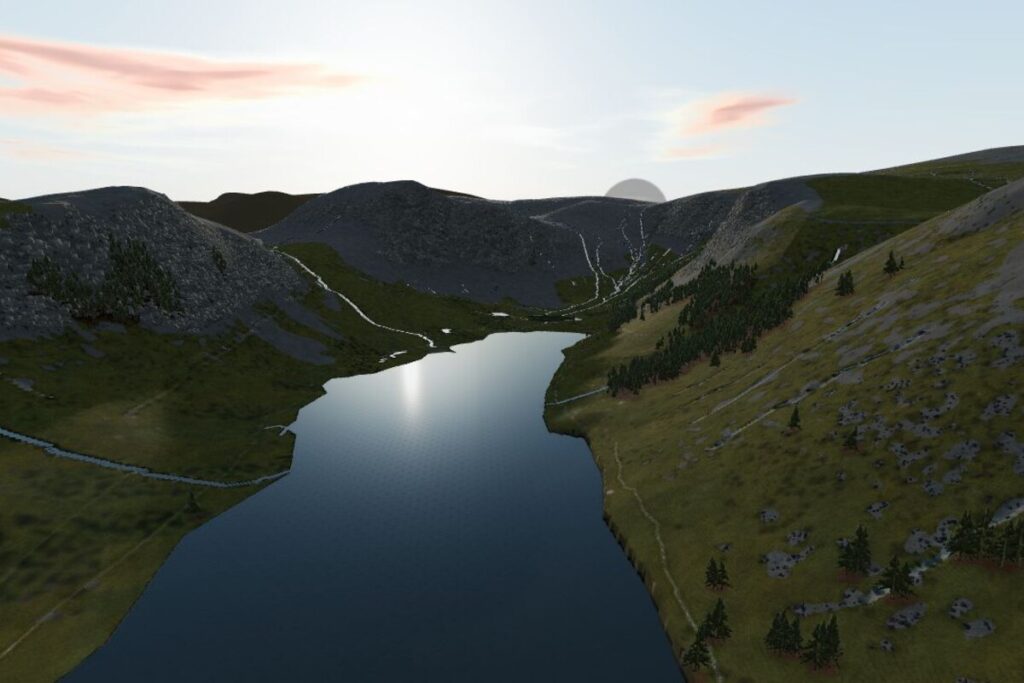
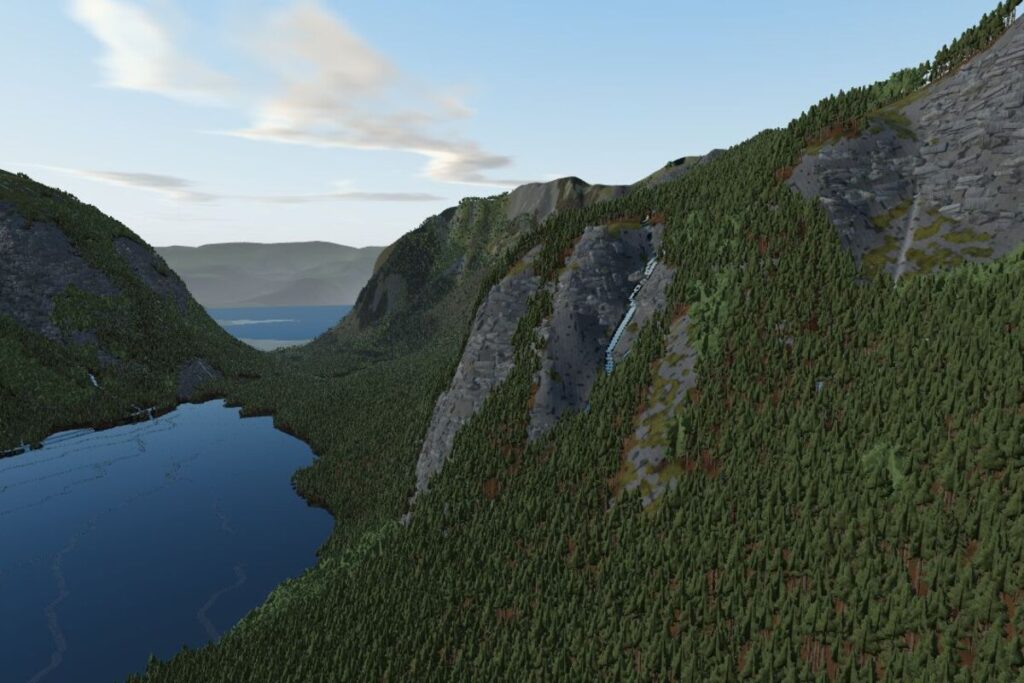
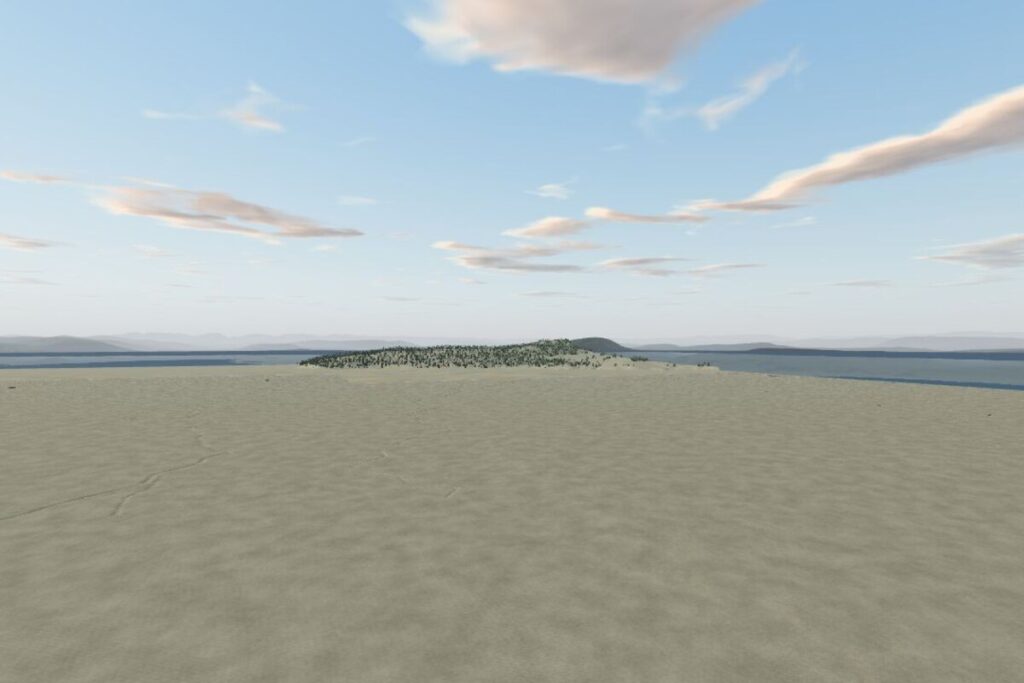
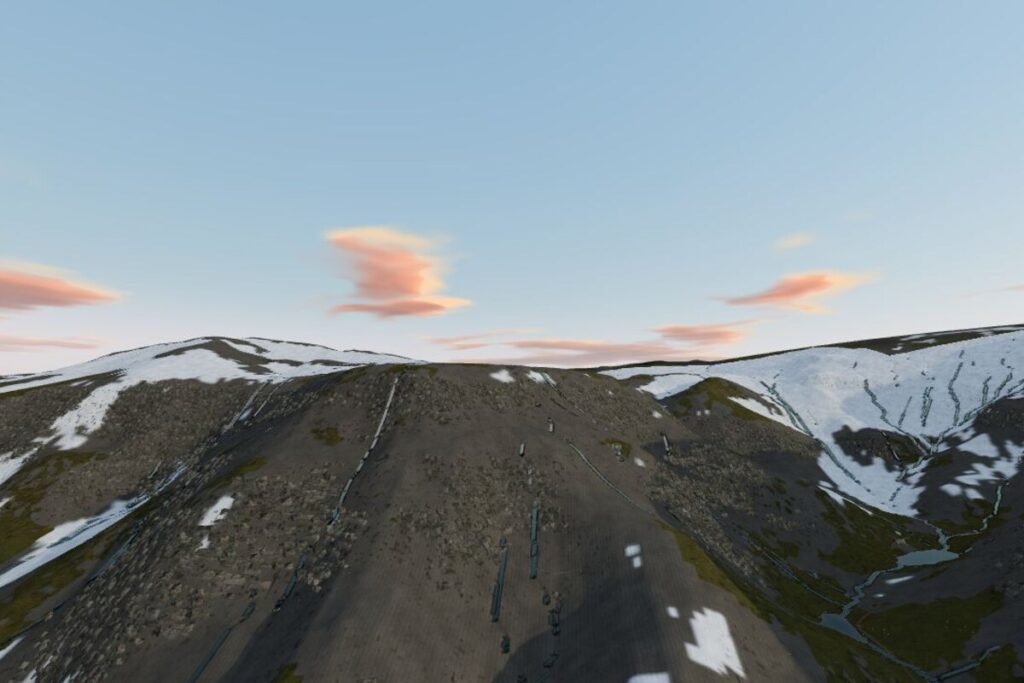
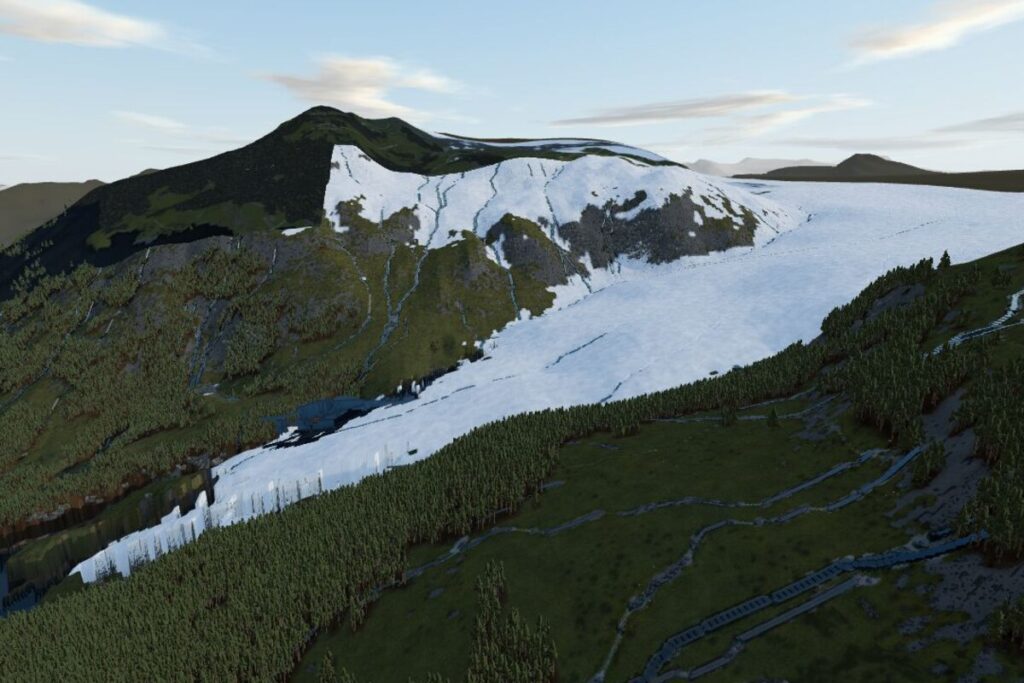
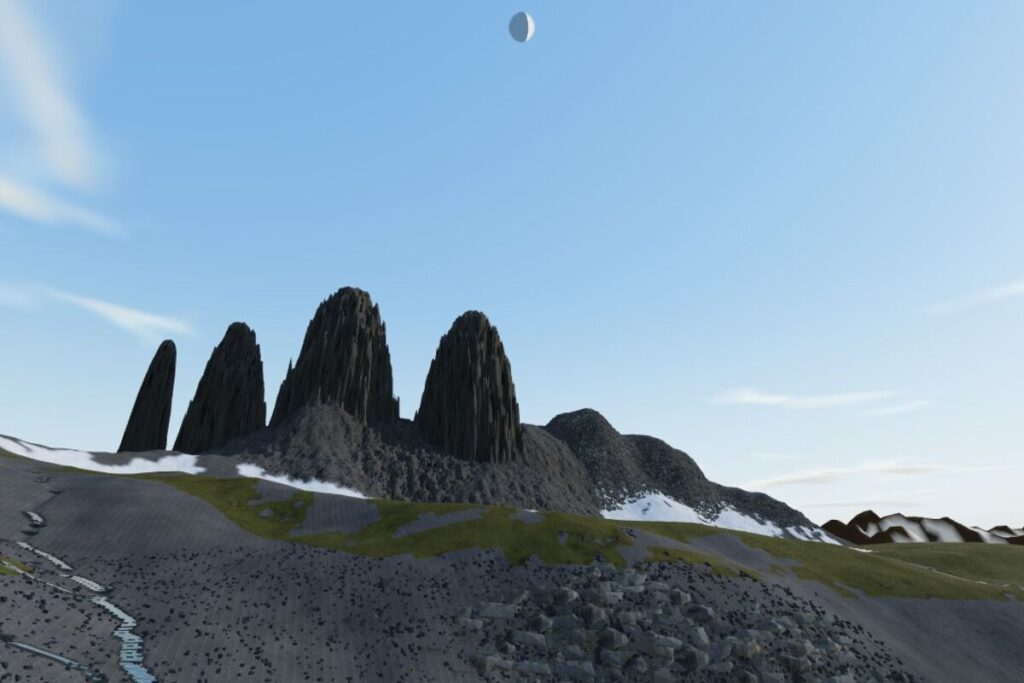
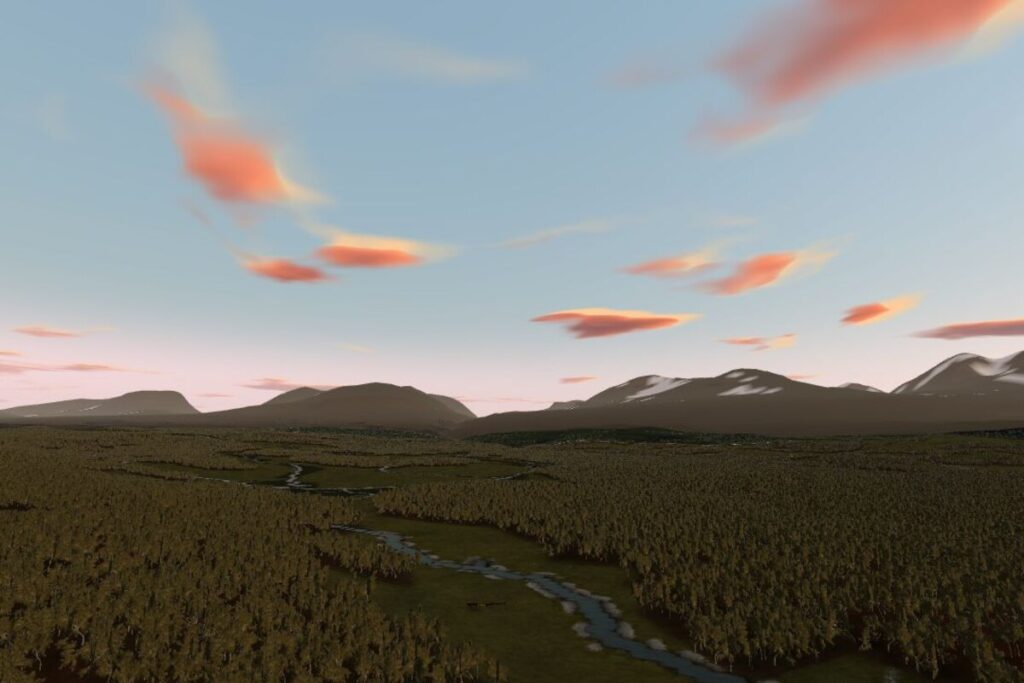
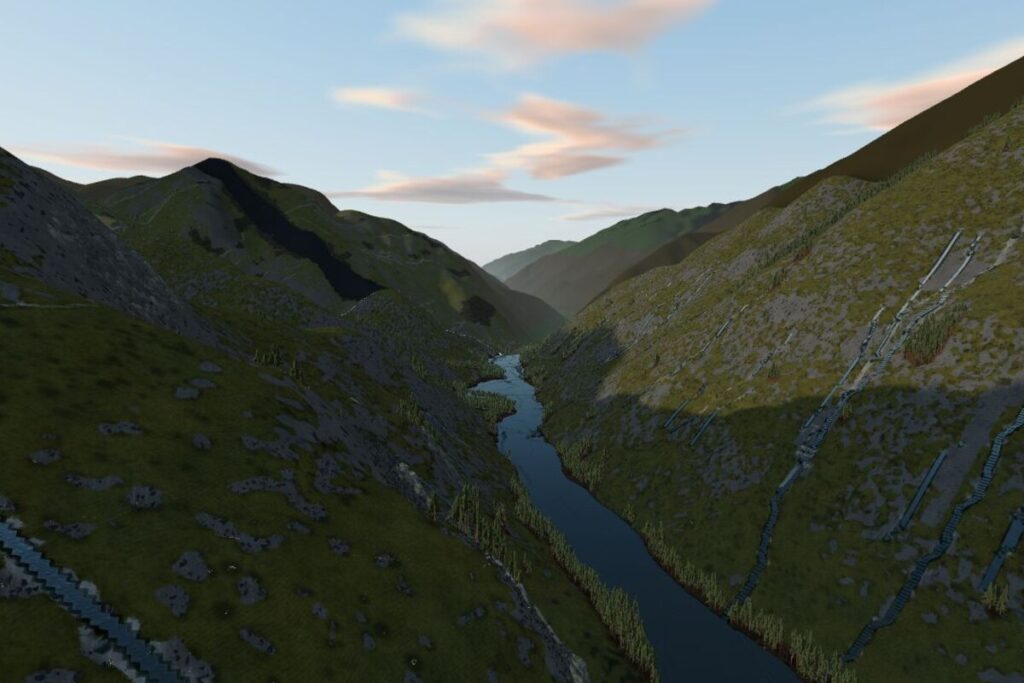
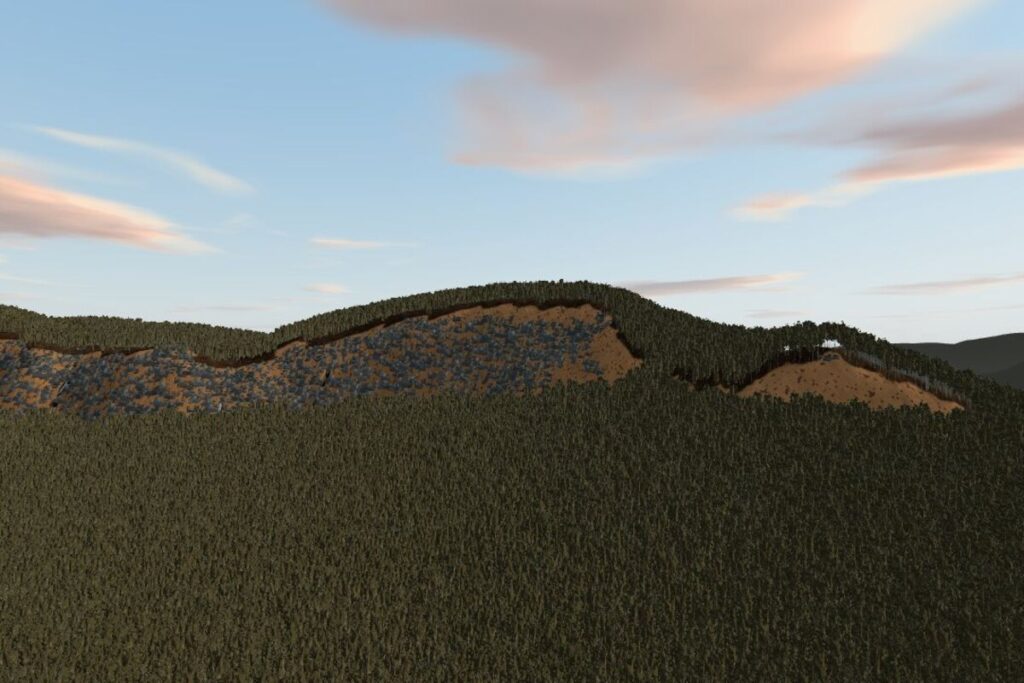
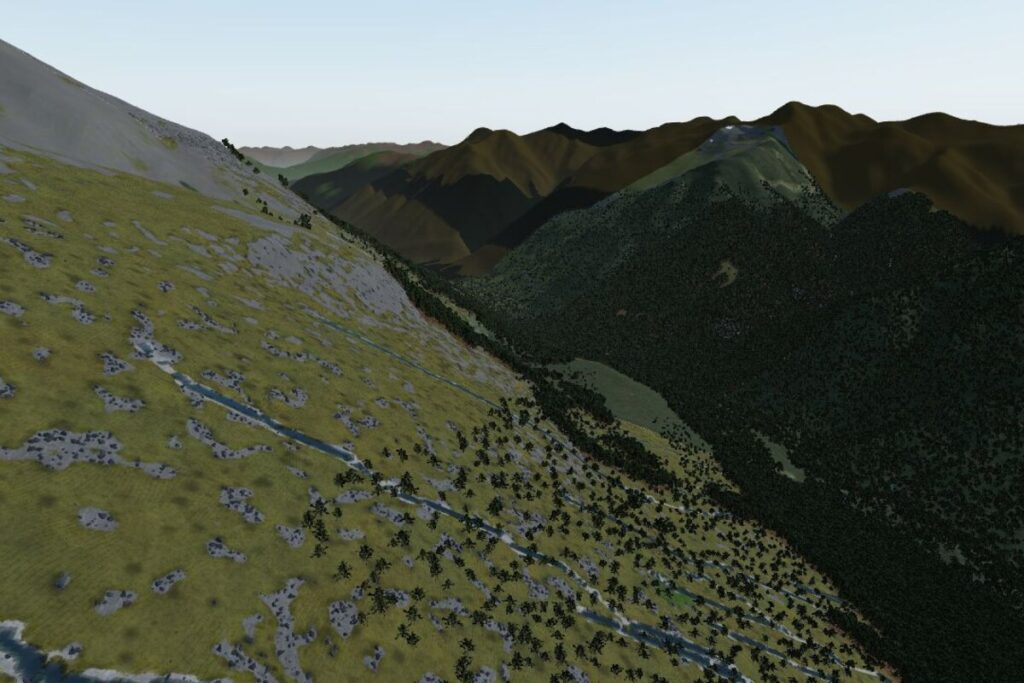
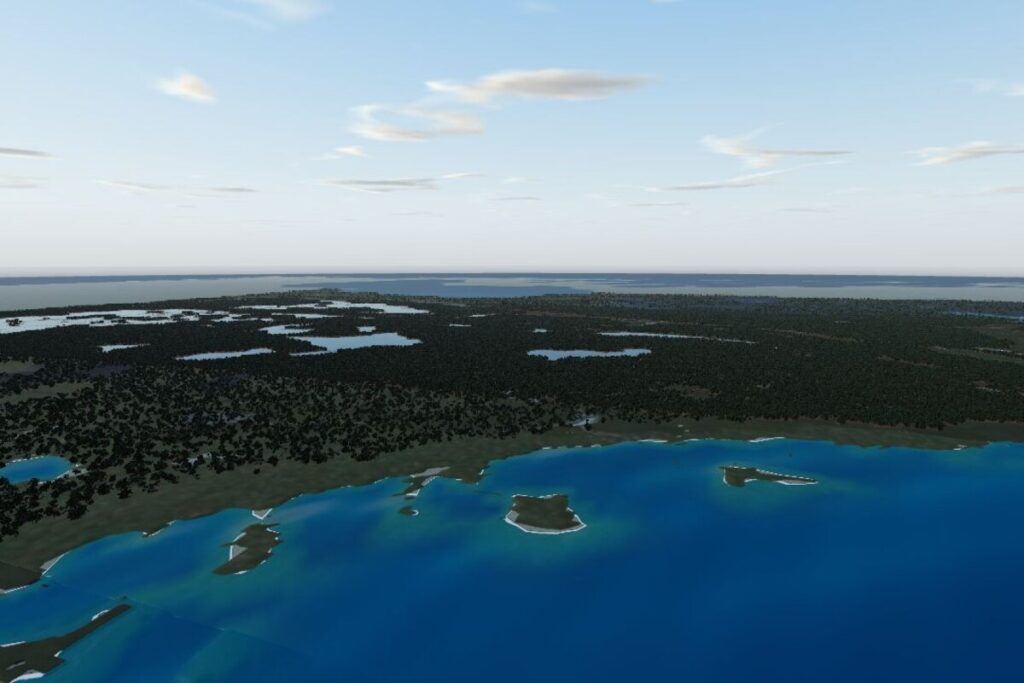
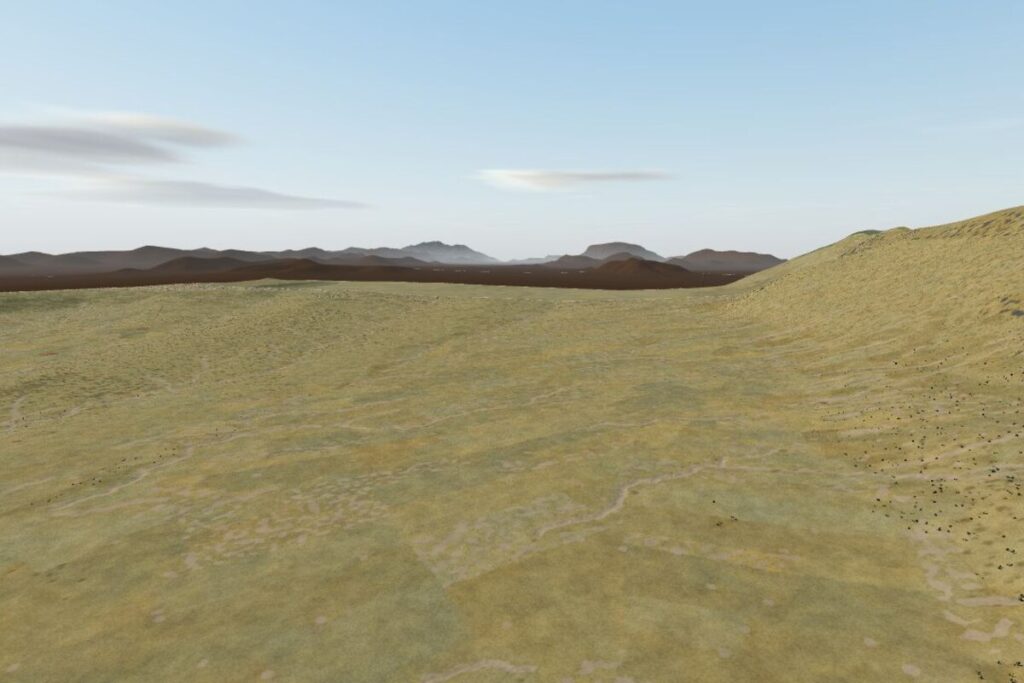
The field events and the final test happen on real landscapes, rebuilt from laser survey and satellite data to the metre: the same crags, becks, bogs and paths. Walk them on screen, or put your phone in a VR viewer and look around.
Course outline
Every lesson
Free tasterTake a bearing
Try the course for free: learn how a compass works, then take real bearings from the summit of Corn Du on the real Pen y Fan.
Module 1Mindset, priorities and judgement
How stress, fear and fatigue bend decisions, what to deal with first, and how to weigh risks you cannot undo.
- 1.1STOP and the first minutes
- 1.2What comes first: the survival priorities
- 1.3Priorities in other climates
- 1.4How the body bends judgement
- 1.5Thinking about risk
- 1.6Time, light and turning back
- 1.7Stay or move
- 1.8Being found and calling for help
- 1.9Improvising, its costs, and the phone
- 1.10Hard calls on water, food and the river
- 1.11Groups under pressure
- 1.12Keeping going, and learning afterwards
- Module 1 exam
Module 2Natural navigation and direction finding
Direction from the sun, moon, stars, plants, weather and the marks people leave, and improvised compasses.
- 2.1The sun’s path: rising, noon and setting
- 2.2Shadow stick: east, west and true noon
- 2.3The watch method, cloud and the sun abroad
- 2.4Needle and leaf: making an improvised compass
- 2.5Polaris and the turning sky
- 2.6The Southern Cross, Orion and reading any star
- 2.7The moon: lit side, horns and phase
- 2.8Wind, clouds and swell as a compass
- 2.9Trees, moss, lichen and plants
- 2.10The ground: slopes, snow, sand and mountains
- 2.11Water, animals, sounds and smells
- 2.12Which way to people? Paths, gates and forestry
- 2.13Lines, lights, litter and buildings
- 2.14Walking straight, keeping track and judging distance
- 2.15Combining clues, other lands and the southern hemisphere
- Module 2 exam
Module 3Map and compass
Reading the map, bearings, navigation technique, pacing and timing, relocation, and using phones and GPS well.
- 3.1The map: scale, symbols, access and what changes
- 3.2Grid references in Britain and around the world
- 3.3Contours: the shape of the land and its dangers
- 3.4The compass, the three norths and declination
- 3.5Setting the map and walking a bearing
- 3.6Bearings from the ground: identify, resect and transit
- 3.7Handrails, catching features, attack points and aiming off
- 3.8Pacing, boxing round obstacles and contouring
- 3.9Timing: Naismith, Tranter and the stopwatch
- 3.10Legs, route cards and reaching the RV on time
- 3.11Relocation: finding yourself on the map
- 3.12Night navigation and dead reckoning
- 3.13Mist near edges, whiteout, forestry, coast and jungle
- 3.14Altimeters, GPS, phones and why you carry paper
- Module 3 exam
Module 4Mountain safety and terrain dangers
Weather and sky, dangerous ground, rivers and the sea, other climates, and making yourself easy to rescue.
- 4.1Planning the hill day: route plan, kit, daylight and ways off
- 4.2The mountain forecast: height, wind, chill and cloud
- 4.3Reading the sky: fronts, wind shifts and high cloud
- 4.4Showers, local winds, weather lore and lightning
- 4.5Reading dangerous ground before you step on it
- 4.6Steep grass, scrambling, scree and rockfall
- 4.7Mist on the ridge: edges, ridges and darkness
- 4.8Bogs, peat hags, forestry and old mines
- 4.9River crossings: whether, where and how
- 4.10Cold water, flash floods, ice, tides and the sea
- 4.11Snow, ice, cornices and avalanches
- 4.12Other climates: heat, dust, altitude and jungle
- 4.13Lost: how people behave, how searchers think, stay or move
- 4.14Calling for help and being found
- 4.15Waiting it out: shelter, warmth, pacing, morale and a casualty
- Module 4 exam
Module 5Water
What your body needs, finding water, judging a source, making it safe and collecting it.
- 5.1Water and your body
- 5.2When water runs short
- 5.3Reading the land for water
- 5.4Animal signs and digging for water
- 5.5Water from trees and plants
- 5.6Water in the cold: snow, ice and fuel
- 5.7Reading water: colour, flow and surface
- 5.8What is upstream? Judging a source
- 5.9Settling, boiling and distilling
- 5.10Filters: what they stop and what they miss
- 5.11Chemicals, UV and sunlight
- 5.12Collecting water: rain, dew, bags and stills
- Module 5 exam
Module 6Fire
Fuel, tinder, fire lays and ignition, managing a fire, and fire safety and the law.
- 6.1How fire works, and finding fuel that burns
- 6.2Processing wood safely: knife, saw and axe
- 6.3Natural tinders by habitat
- 6.4Ember tinders, carried tinders and the tinder bundle
- 6.5The fire site, preparation and quick fire lays
- 6.6Long-burning lays, reflectors and cooking fires
- 6.7Flame and spark: matches, lighters, ferro rods and flint
- 6.8Friction fire: the bow drill and its relatives
- 6.9Fire from the sun and from batteries, and the phone
- 6.10Dry fuel in a wet wood: fire in the rain
- 6.11Keeping, carrying and using fire
- 6.12Fire safety, wildfire, peat and the law
- 6.13Fire in other climates: desert, Arctic, jungle and coast
- Module 6 exam
Module 7Shelter and resource gathering
Choosing a site, staying warm and dry, and what the land gives you for cordage, containers and tools.
- 7.1Staying warm: how you lose heat and what to fix first
- 7.2Choosing a site: the five Ws
- 7.3Natural shelters: rock, roots, trees, caves, coast and bothies
- 7.4Tarps and hammocks: pitches for every weather
- 7.5Built shelters: the debris hut, the natural lean-to and safe warmth
- 7.6Snow, jungle and desert shelters
- 7.7Reading the land for resources
- 7.8Trees and what they give
- 7.9Cordage from the land
- 7.10Knots and lashings
- 7.11Containers, cooking and the useful stones and clay
- 7.12Tools and their safe use: knife, saw and axe
- Module 7 exam
Module 8Food: plants, fungi, fish and trapping
Safe foraging and the deadly look-alikes, where fish lie and how to catch them, and the law on trapping.
- 8.1Food: priorities, energy and the law
- 8.2Identify or leave it: the method and the plant families
- 8.3The deadly plants: umbellifers, foxglove, arums and berries
- 8.4Greens, shoots and roots
- 8.5Fruit and nuts: the autumn larder
- 8.6Fungi: the golden rules and the killers
- 8.7The shore: sea plants, seaweeds and shellfish
- 8.8Fishing law, and the methods it bans
- 8.9Where are the fish? Reading a river
- 8.10Lakes, the coast and the clock
- 8.11Hooks, lines and bait from almost nothing
- 8.12From catch to meal: preparing, cooking and keeping food safely
- 8.13Trapping: the law, the ethics and the theory, and the small creatures
- 8.14Food in other climates: cold, tropical and dry lands
- Module 8 exam
Module 9Fauna: spotting, tracking and safety
Tracks and sign, what animal behaviour tells you, and the animals that can hurt you, region by region.
- 9.1Ground, light and reading a paw print
- 9.2Hooves, hoppers, birds and how animals move
- 9.3Ageing sign, following a trail and tracking a person
- 9.4Feeding sign, bark damage, diggings and kills
- 9.5Droppings, runs, homes and the law on disturbance
- 9.6What animals tell you: alarms, routines, water, weather and people
- 9.7Watching without being seen: wind, cover, stillness and optics
- 9.8Through the herd: cattle, bulls, horses and dogs
- 9.9Wild dangers in Britain: rutting deer, boar, birds, the shore and adders
- 9.10Ticks, stings, bites and the diseases animals carry
- 9.11Bears, wolves and keeping food from animals
- 9.12Snakes, crocodiles, big cats and big herbivores abroad
- Module 9 exam
Module 10Signals: making them and understanding them
Being findable, signals by fire, ground, sound, light and mirror, phones and beacons, rescue and warnings.
- 10.1Being findable: plans, sites and searches
- 10.2Contrast, size and markers: making yourself visible
- 10.3Signal fires and smoke
- 10.4Ground-to-air codes and body signals
- 10.5Sound: whistles, voices and the six-a-minute signal
- 10.6Light: torches, Morse and signalling at night
- 10.7Signal mirrors and reflectors
- 10.8Flares, smoke and dye, and other people’s distress signals
- 10.9Calling for help and giving your location
- 10.10Signal, battery, beacons and radios
- 10.11Rescue: helicopters, teams and the coastguard
- 10.12Reading warnings: official signs and natural signals
- Module 10 exam
Module 11First aid and recovery in the wild
Assessment, bleeding, bones, cold, heat, bites and medical emergencies when help is hours away.
- 11.1Scene safety, the primary survey and the call
- 11.2CPR, defibrillators and choking
- 11.3Stopping bleeding and recognising shock
- 11.4Head to toe: the secondary survey, heads and spines
- 11.5Chest, pelvis, impalement, lightning and several casualties
- 11.6Bones, joints and splints
- 11.7Hypothermia, the casualty wrap and safe rewarming
- 11.8Cold water, drowning, frostbite and trench foot
- 11.9Heat, fluids, sun and altitude
- 11.10Burns, wounds, feet and eyes
- 11.11Bites, stings and allergy
- 11.12Medical emergencies away from help
- 11.13Stay, walk out or send for help
- 11.14Prolonged field care and the first aid kit
- Module 11 exam
Module 12Real survival stories
Real incidents around the world: what happened, the decisions made, and what we can learn.
- 12.1Lost children: Pen y Fan and the Colombian Amazon
- 12.2Cold on British hills: the Dark Peak and the Cairngorm plateau
- 12.3Storms high on big mountains: Aoraki, Siula Grande and Everest
- 12.4Nobody knew where to look: a Utah slot canyon and a Maui forest
- 12.5Moving away from the search: the Sierra Nevada and the Sahara
- 12.6Following water out of the forest: the Peruvian Amazon and the Tuichi River
- 12.7Living off the land: the Stampede Trail and the Northern Territory
- 12.8The wreck and the raft: the Andes and the Atlantic
- 12.9Trapped underground: Tham Luang and the San José mine
- 12.10The polar journeys: Endurance and the far eastern sledge party
- Module 12 exam
The finish
Final practical test
A long, unguided day on real terrain, then the final judgement questions. Pass to earn the certificate.
Pass the final exam and the practical to earn the Survival Skillset certificate.
- The final test: what it is and how to prepare
- The final practical: a long day in Borrowdale
- Final exam